EMPOWERHER-Breaking Barriers: Youth-Led Initiatives for Gender Equality
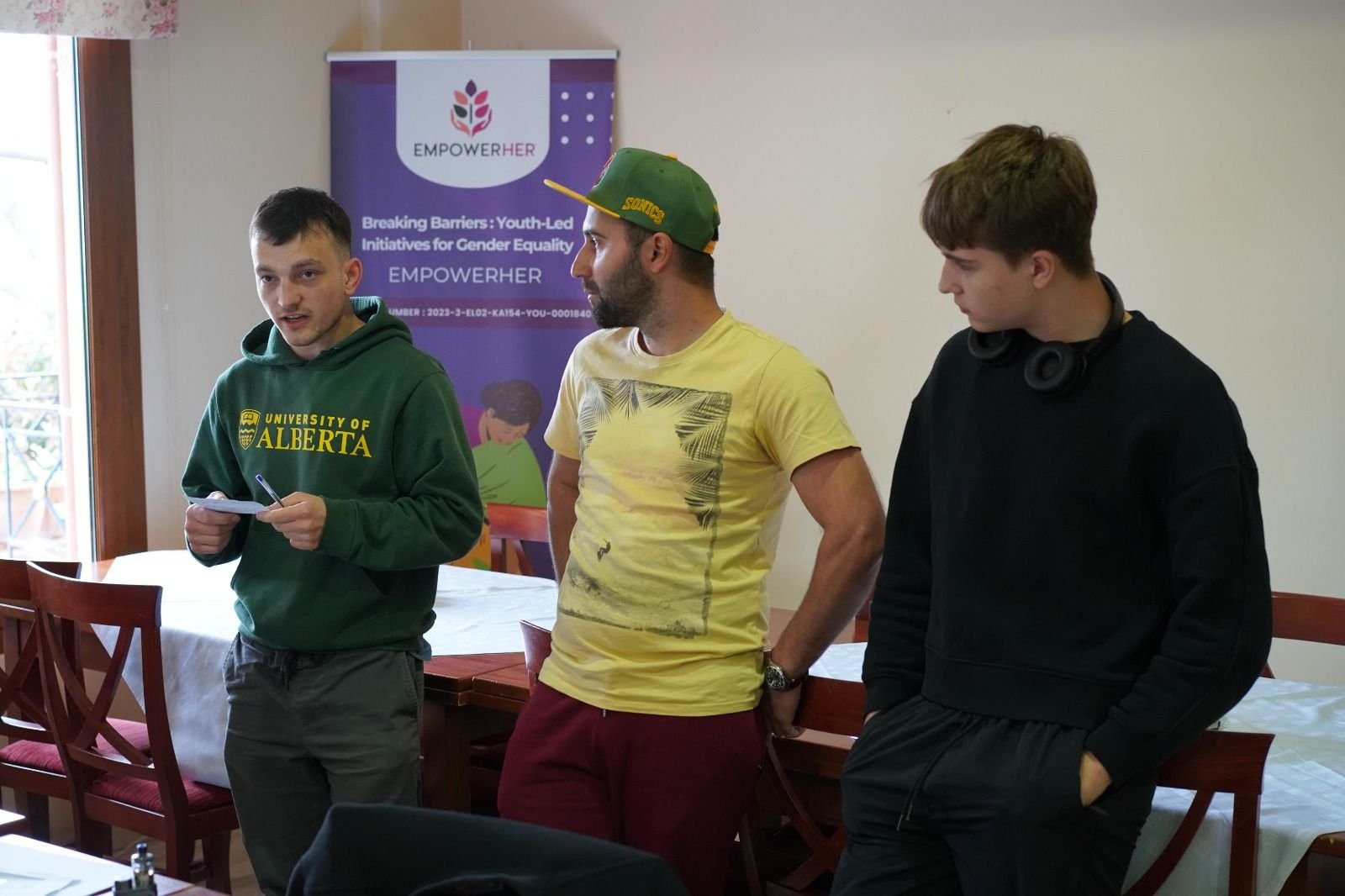
Breaking Barriers: Youth-Led Initiatives for Gender Equality
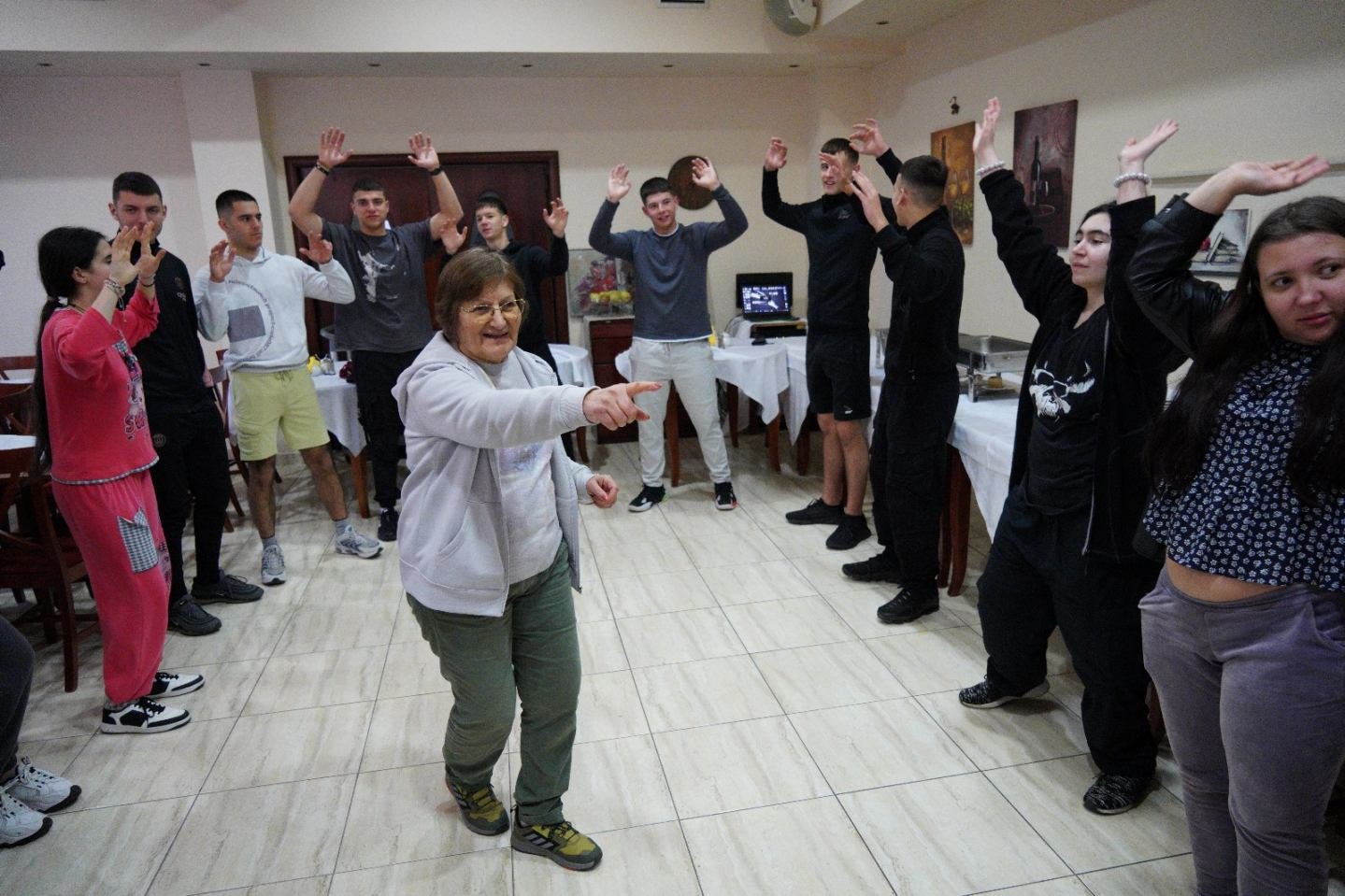
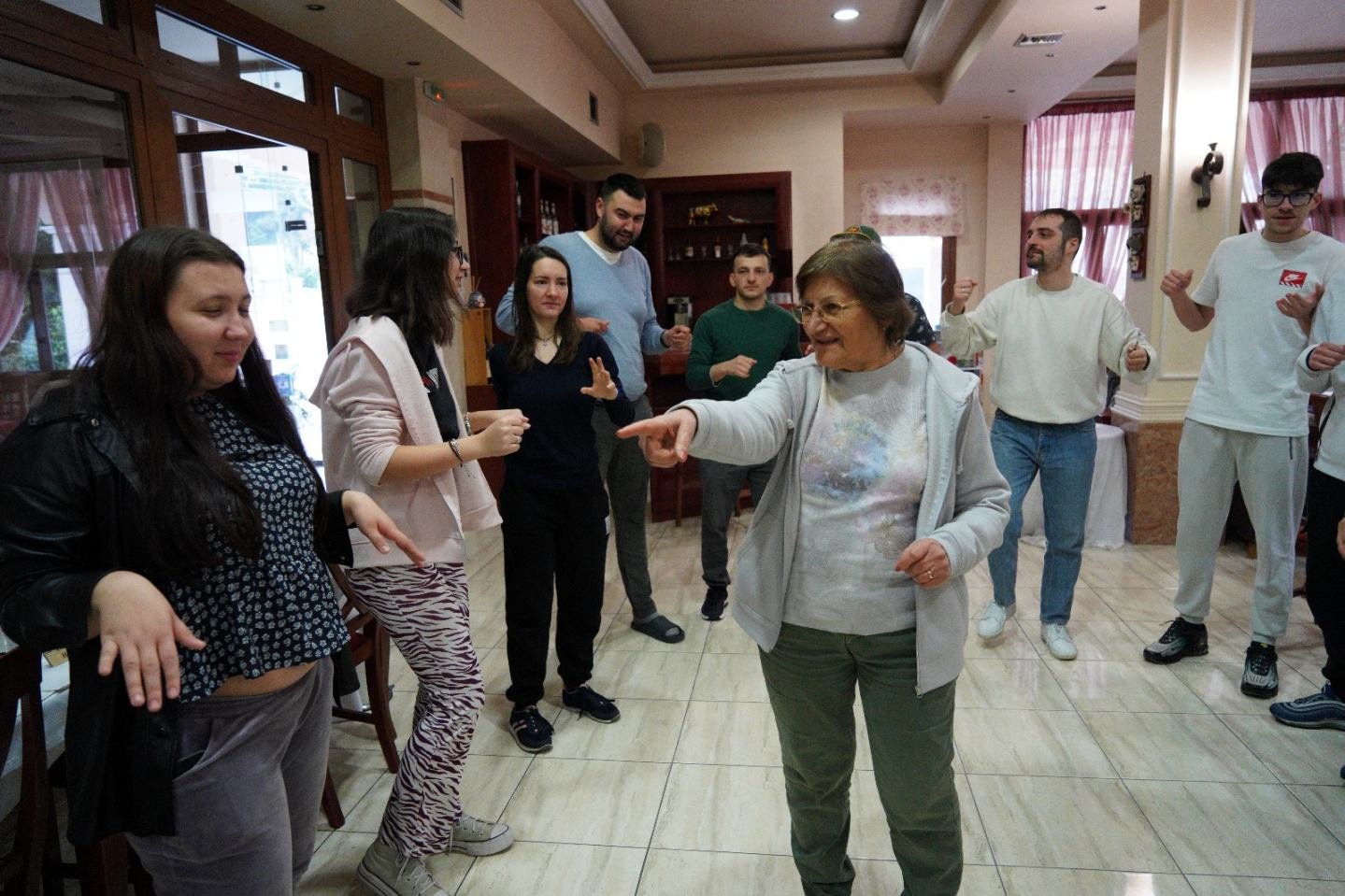
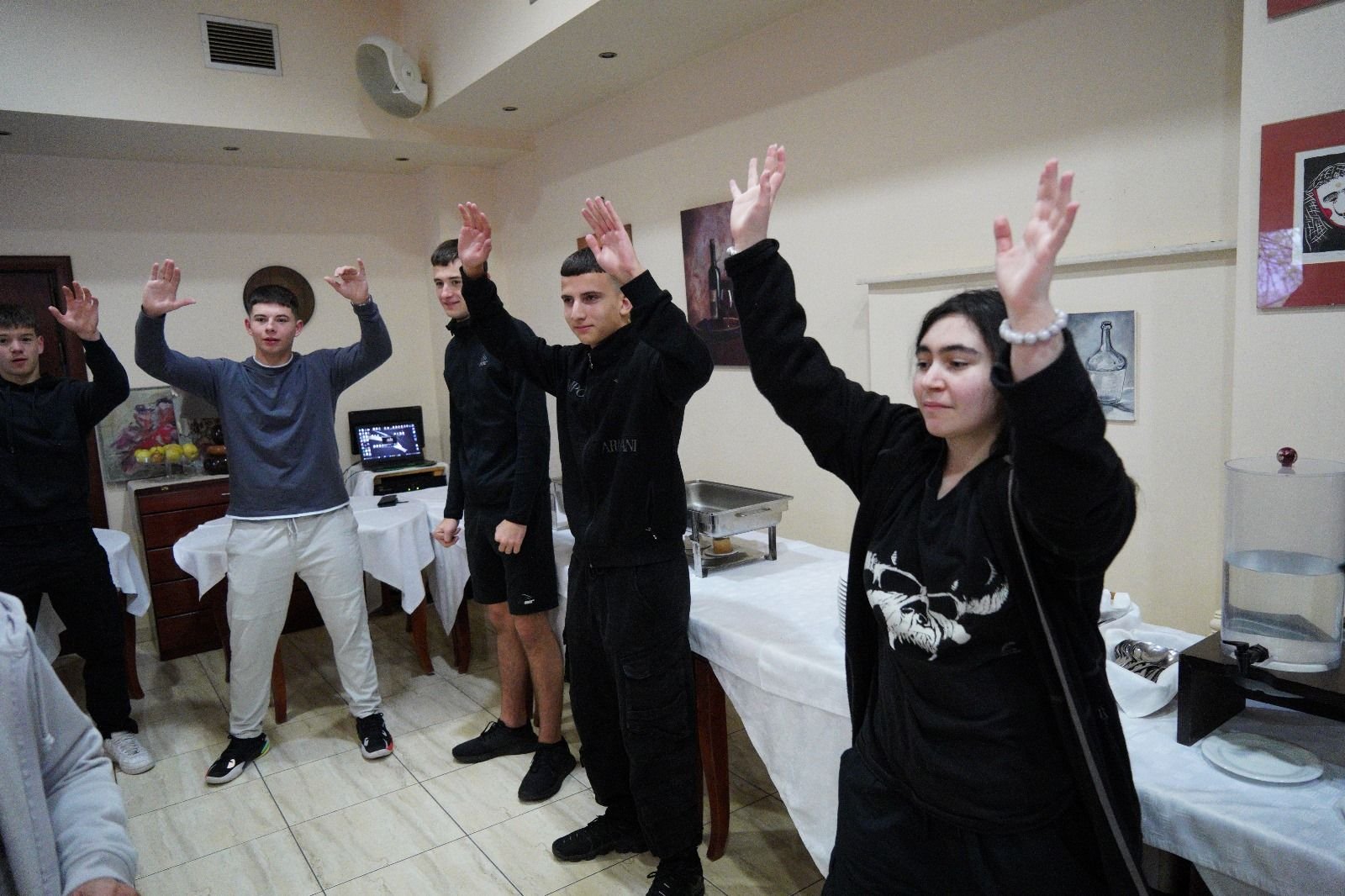
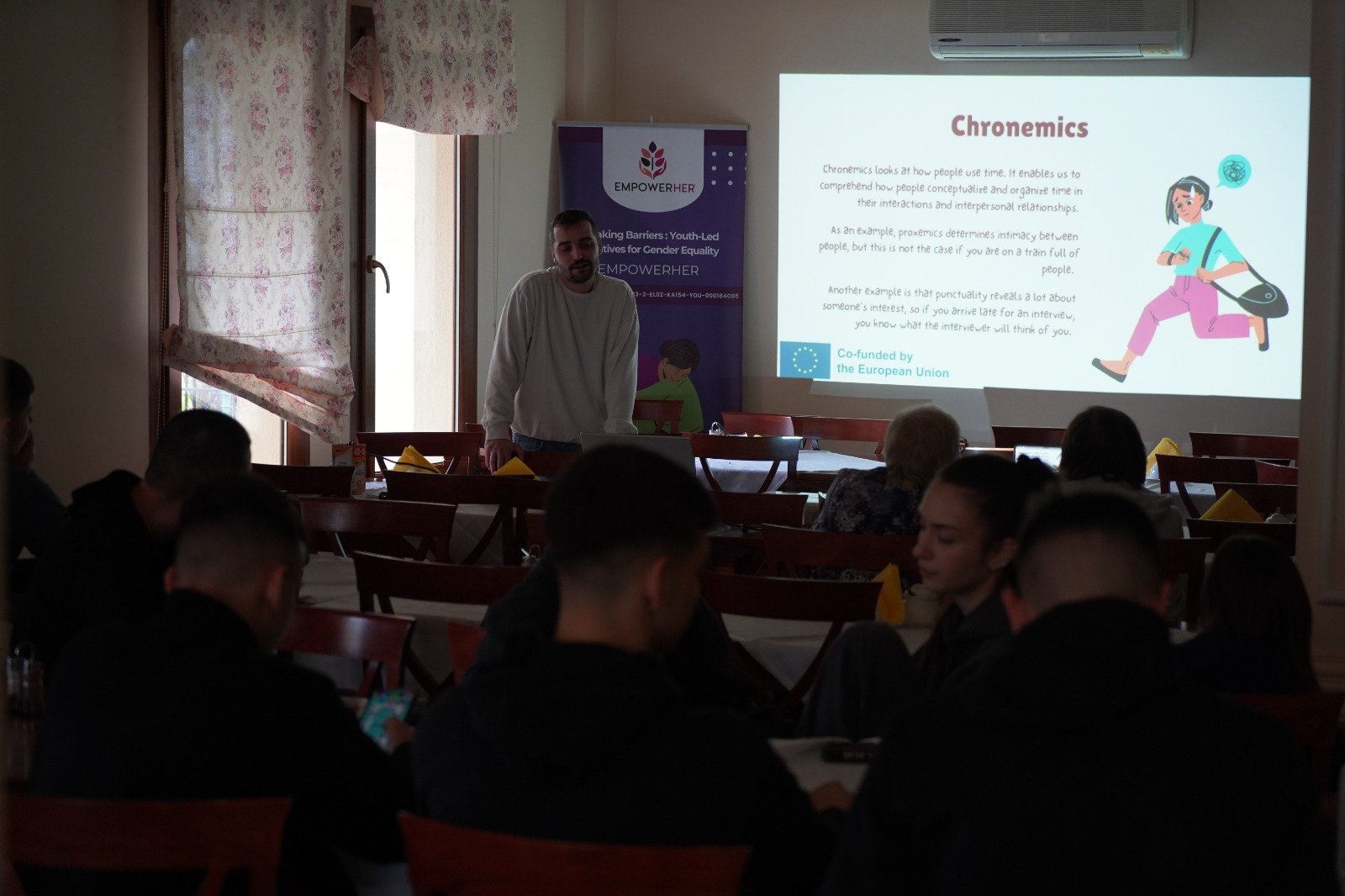
What will the participants learn during the activities? Which learning outcomes or competences (i.e. knowledge, skills and attitudes/behaviors) are to be acquired/improved by participants in the activities? What non-formal learning methods will you use in your project? To encourage decision-makers to collaborate with young individuals in youth-focused endeavors, specifically supporting No n-Formal Learning Initiatives concerning Social and Civic Competencies, the concept offers a range of youth mobility and pa rticipation opportunities for every European youth. Eurodesk is a widely utilized resource for numerous young people in Euro pe each year, as they seek information regarding non-formal education prospects, employment opportunities, travel options, potential collaborators for their initiatives, and participation in youth-related activities. Non-formal youth education is centere d on interactive learning, involving engaging activities that captivate and interest the students.
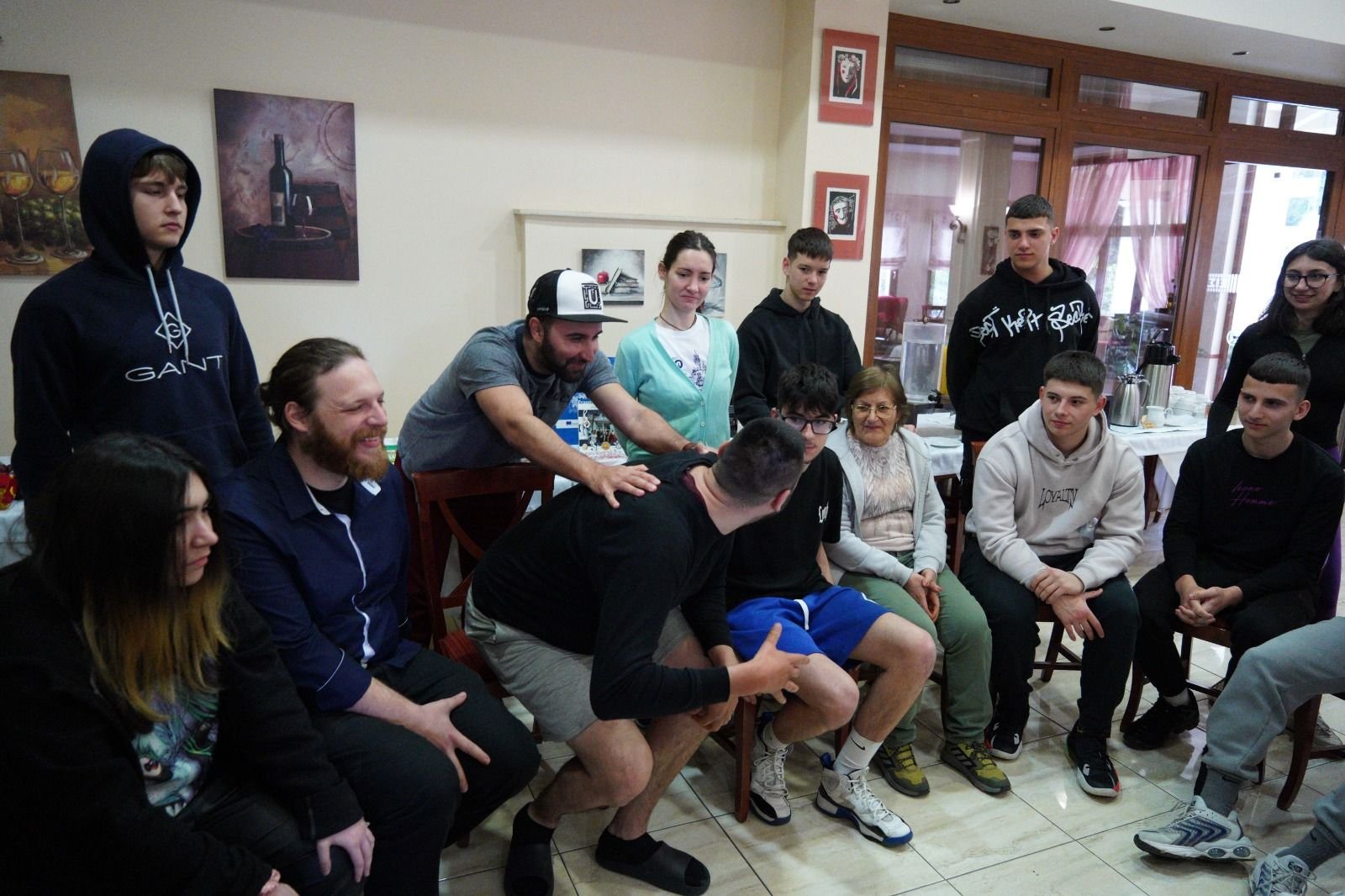
The primary objective of non-f ormal education, as outlined in Section 8, Paragraph 2 of the Youth Law, is to provide knowledge, develop skills, capacities, and attitudes, while also fostering the holistic development of young individuals and promoting their active involvement in de cision-making and democratic civic life. Youth organizations, groups, and entities serve as catalysts, and any young person can become a significant contributor to non-formal training. In the participating countries, participants of youth organizations engage in non-formal youth learning on a daily basis. This is because the volunteers and staff of these organizations have a ctively participated in various non-formal education events, such as conferences, workshops, workgroups, and meetings acr oss Europe.
Those involved in youth work, including youth workers, youth affairs specialists in local governments, and direct ors of youth movement centers, advocate for non-formal learning. It is essential to emphasize that these entities provide spa ces where young people, including those at risk of social exclusion, such as individuals with disabilities or limited opportuniti es, can engage in non-formal learning activities.
Youth organizations and youth centers, also known as youth initiative cente rs, form the cornerstone of our non-formal methodologies, with their primary objective being to support the proactive engage ment of young individuals in decision-making processes and their participation in social life through non-formal learning appr oaches. Informal learning, which occurs daily and often at work, whether consciously or subconsciously, involves the acquisi tion of new information, skills, abilities, attitudes, and beliefs that enhance and reinforce an individual’s character or comple ment existing ones.
In summary, adolescents are encouraged to actively participate in the EU Policy Modeling process, as t hey have the opportunity to develop their skills in a specific area through non-formal and unstructured learning methods.